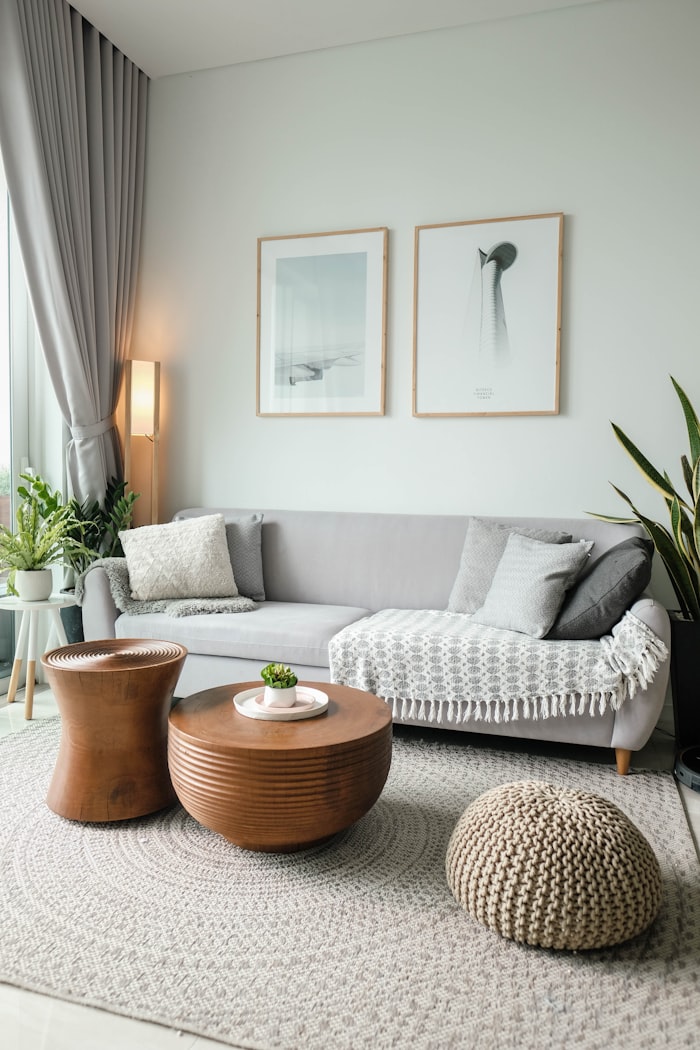
Sisal is having a moment in global luxury interiors, and we have been using it for years. It is strong, beautiful, sustainable, and — in our view — one of Africa's most underrated design materials. Here is why it deserves a place in every East African interior.
Grown primarily in Kenya, Tanzania, and Brazil, sisal is a natural fibre that has been used for centuries in ropes, baskets, and floor coverings. What has changed is its application in contemporary design: wall panels, textiles, and acoustic solutions that bring texture and warmth to spaces that might otherwise feel cold.
"Sisal connects a space to the land. It carries the memory of the landscape into the interior."
— Michael James, on the emotional quality of natural materialsWhy Sisal Works
The appeal of sisal is both practical and emotional. Practically, it is durable — it can withstand heavy foot traffic, resist moisture better than many natural fibres, and it ages beautifully. The colour deepens over time. The texture softens. It does not pretend to be something it is not.
Emotionally, sisal carries a sense of place. It is grown on the continent. It is woven by hand. When you specify sisal in a project, you are not just choosing a material — you are choosing a relationship with the artisans who produce it.
We source our sisal from cooperatives in Thika and Machakos — groups that have been weaving for generations. The quality varies, but the best pieces have a consistency that rivals any industrial product.
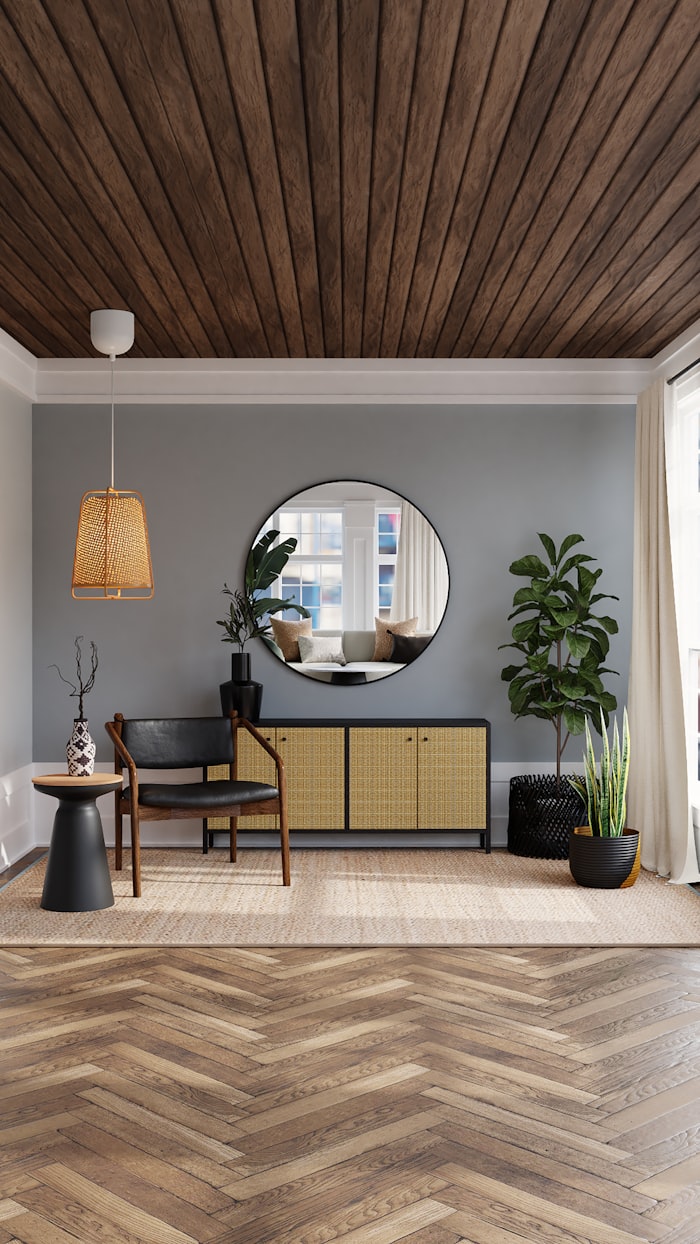
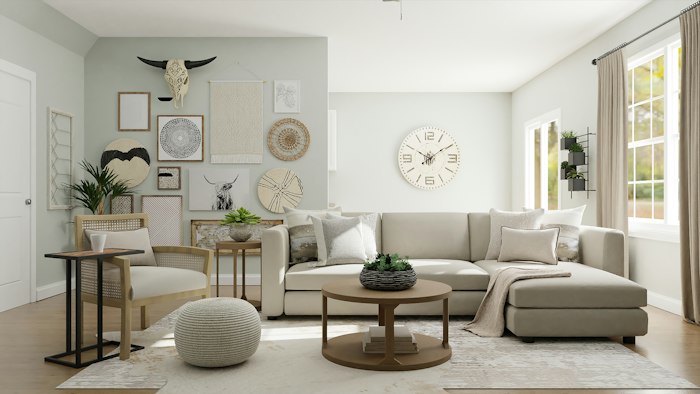
Sisal wall panels in a Nairobi residence — the woven texture adds depth and acoustic warmth to a space that might otherwise feel too polished.
Applications Beyond Flooring
Most people think of sisal as a flooring material. They are wrong to stop there. Sisal works as wall panels, acoustic panels, upholstery, and even as a subtle ceiling treatment. In the Nakuru Penthouse, we used sisal panels in the main corridor — creating a sense of movement and texture that guided the eye toward the view.
Sustainability
Sisal is a renewable resource. It requires no irrigation in most growing regions. It is biodegradable. It is not treated with the chemicals that synthetic fibres often require. For clients who care about the environmental footprint of their interiors, sisal is an easy choice.
Why We Specify Sisal
- Durable and long-lasting — suitable for high-traffic areas.
- Sustainable and biodegradable — grown without irrigation in East Africa.
- Acoustic benefits — absorbs sound and softens reverberation.
- Connects a space to place — carries the memory of the landscape.
- Supports local craft — we source from Kenyan cooperatives.
- Ages beautifully — colour deepens, texture softens over time.
The Future of Sisal
We are seeing more designers specify sisal in projects that would have used synthetic alternatives a decade ago. The trend is driven partly by sustainability, partly by a desire for texture in an increasingly digital world.
What we hope for is that the demand does not outstrip the capacity of the artisans who produce it. Sisal is not a commodity to be industrialised. Its value lies in its connection to the craft.
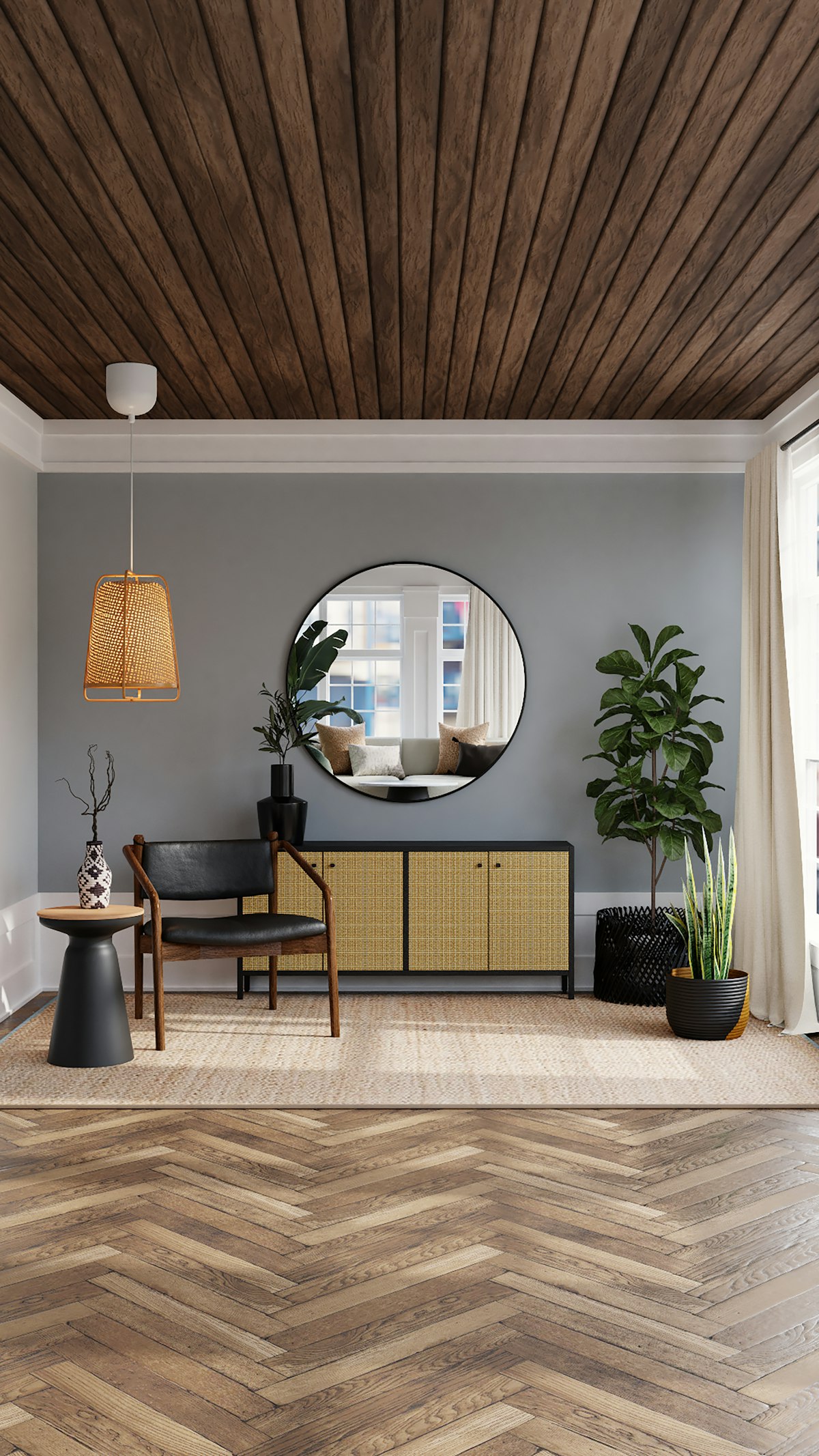
Sisal and leather in a Karen residence — natural materials that age together and tell a story of place.
What This Material Teaches Us
Every material we choose teaches us something. Sisal has taught us that the best interiors are not the ones that shout — they are the ones that whisper. Sisal does not demand attention. It rewards it.